Creamy Lemon-Tarragon Pasta

Do you have a favourite food writer these days? Every time I open my inbox, I’m tickled by the level of enjoyment I get out of Sam Sifton’s daily musings for NYT Cooking subscribers. He can make the most exciting dishes, like Khoresh-e Bademjoon (a Persian Eggplant and Tomato Stew) feel as approachable as Beef Stroagnoff. He fosters an exploration of new ingredients and techniques while encouraging no-recipe improv days in the kitchen. And sometimes, he just speaks of the mundanity of daily food preparation in a way that makes the process come alive.

It’s Sam Sifton to whom I credit the concept of the “house meal.” It’s the dish you can always fall back on when you’re lacking for inspiration. It’s the meal you always have the ingredients for, yet it’s customizeable to suit whatever ingredients are on hand. In short, it’s your go-to staple meal.
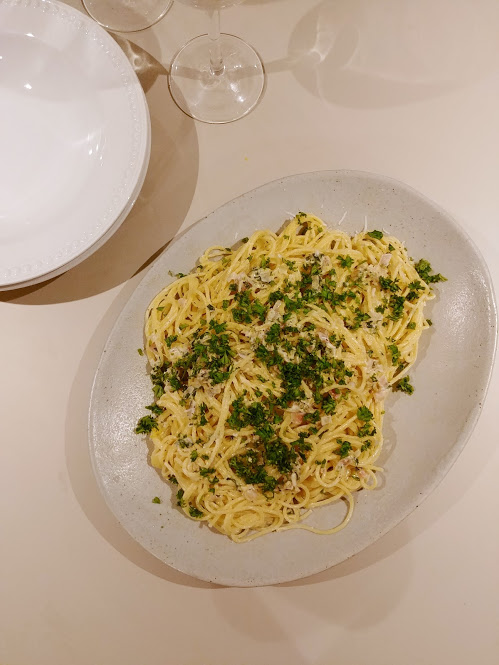
Plated Lemon-Tarragon Pasta

It’s Sam Sifton to whom I credit the concept of the “house meal.” It’s the dish you can always fall back on when you’re lacking for inspiration. It’s the meal you always have the ingredients for, yet it’s customizeable to suit whatever ingredients are on hand. In short, it’s your go-to staple meal.

This creamy pasta dish is certainly my house meal. Lemon and tarragon is a classic flavour combination that I never tire of, but sometimes I’ll swap the tarragon for basil, or omit the herbs alltogether. Maybe I have some fresh peas… in they go. Please play around with this basic cream sauce until it fits your life and fridge. It may just become a house meal for you too.

Ingredients:

  • 2 tablespoons butter
  • 1 large shallot, finely diced
  • 1/2 cup table cream (18%)
  • 1/4 cup grated parmesan
  • 2 tablespoons butter
  • 1/2 teaspoon salt
  • 1/4 teaspoon pepper
  • 1 tablespoon lemon zest
  • 2 tablespoons lemon juice (plus more to taste)
  • 2 tbsp fresh tarragon, chopped
  • Parsley, chopped, for garnish
  • 2/3 – 1 100g package of long, dried pasta

Process:

Heat a large pot of salted water to cook the pasta according to package directions.

Meanwhile, in a large skillet over medium-high heat, melt the butter and toss in the shallot. Stir for a minute or two until shallots are translucent and fragrant.

Lower the heat to medium and pour in the cream. Immediately whisk to combine and continue stirring to avoid scortching.

Turn heat down to low, keeping sauce at a mild simmer. Add in lemon zest, lemon juice and stir for a couple of minutes. Add in the grated parmesan and stir until combined. The mixture will thicken substantially. Keep stirring while adding in the salt, pepper, and fresh tarragon. Continue stirring on low heat for a minute or two. At this point the pasta should be al dente – drain, retaining a cup full of pasta water.

Remove sauce from heat, add pasta directly into pan. Tossing gently with tongs to combine. Add in the reserved pasta water by the spoonfull to help the sauce lusciously adhere to the noodles, stopping when you’ve reached the desired level of creaminess.

Plate, scatter parsely over top, add a generous squeeze of additional lemon juice and enjoy!

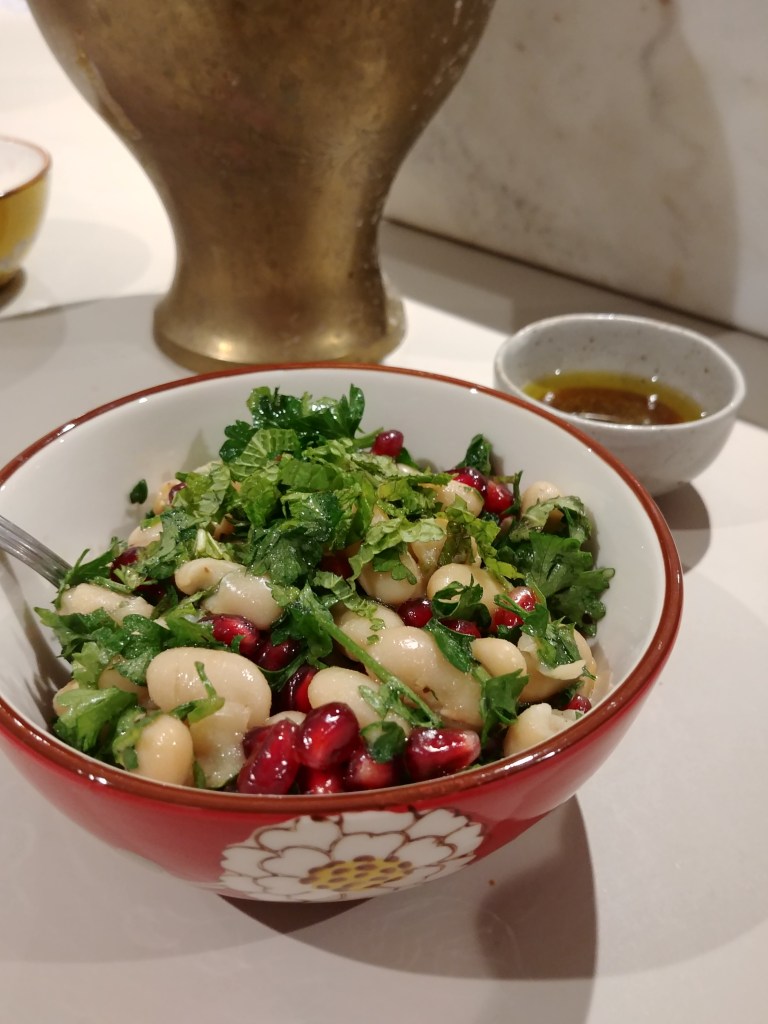
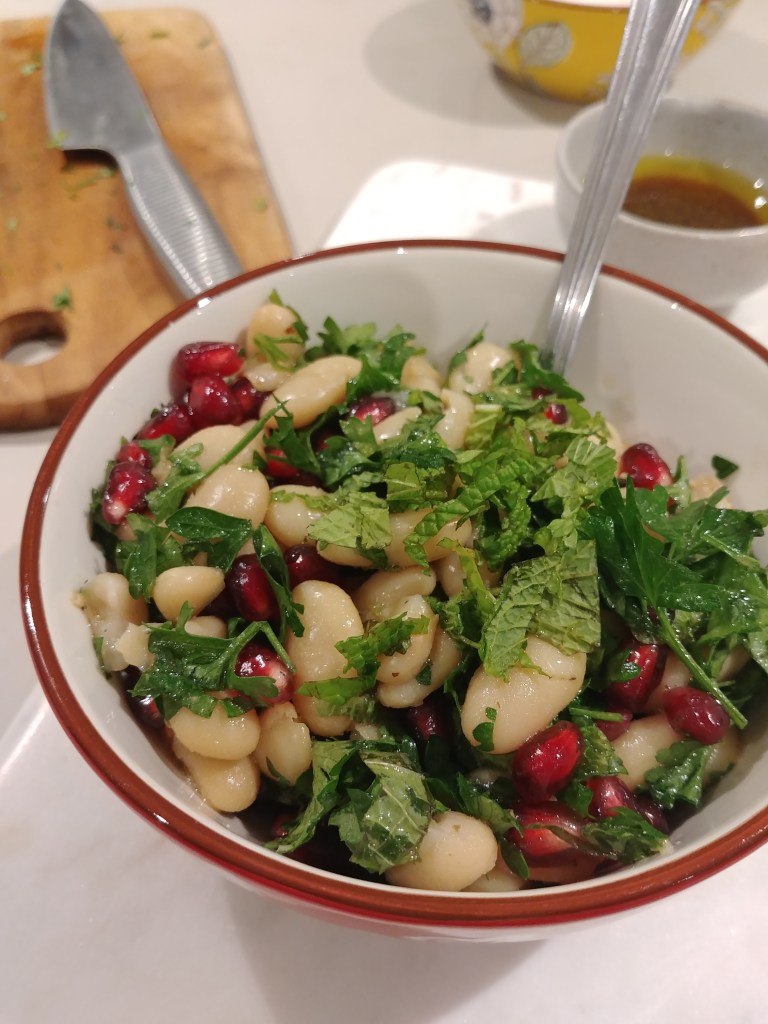
Pomegranate Cannellini Salad

If I could live forever in only one season, it would definitely be fall. I’m perpetually cold in the winter and⁠—and as a British Columbian⁠—I’ve never adjusted to the humidity of Ontario’s warmer weather. That said, there are a few things winter has going for it. Namely, affordable pomegranates! Every year, I do a subtle little dance in the grocery aisle when I notice their price has finally dropped to $2.99 each, or even 2 for $5 (if you’re *really* lucky).

I toss arils into everything from oatmeal to chocolate tarts. And ever since this Ottolenghi baked rice recipe introduced me pomegranate molasses, it’s been a staple in my kitchen ever since. This recipe uses both forms of the luscious fruit, so if you’re as big of a fan as I am, prepare to finish the whole bowl in a single day.

Ingredients

  • 3 tbsp olive oil
  • 1 tbsp pomegranate molasses
  • 1 tbsp orange juice
  • 1 tsp white wine vinegar
  • 1/4 tsp salt
  • 1 small bunch curley parsley, finely chopped
  • 1 540ml can cannellini beans
  • 1/2 cup pomegranate arils
  • 2 tbsp fresh mint, preferably sliced in a chiffonade
  • Additional salt and pepper to taste

Process

In a small bowl, combine olive oil, pomegranate molasses, orange juice, vinegar, and salt. Whisk vigorously until emulsified.

Rinse beans under cold water and set over a bowl for a few minutes until most of the water has drained out. Place beans in a large bowl and season liberally with salt and pepper. Taste as you go. Add in the parsley and pomegranate and toss to combine.

Pour in as much dressing is desired, scatter the mint into the bowl and fold to combine. Garnish with additional mint to serve if desired.

Welcome 2020

Well, 2019, it’s been a ride. I’m not one to paint an entire year (or decade) with a single palette, but if there’s one word to describe how my year ended, it’s “tired.” One mammoth work project, an (unexpected) apartment move, a federal election, and countless volunteer hours later, and I’m looking forward to moving into the new year with personal sustainability in mind. Easier said than done – and that’s where this blog comes in.

Mihaly Csikszentmihalyi coined the term “flow state” to describe the act of being pleasurably immersed in an activity. It facilitates greater creativity and generally makes us happier with our jobs (or hobbies… even relationships). Many of us tend to think about stress and burnout as the result of doing too much, but often it’s what we’re doing and how we’re engaging in life’s demands that makes all the difference. By engaging in activities we find meaningful, even challenging, and providing ourselves with the space to really focus our attention and efforts, we find ourselves living in a happier, more sustainable way.

I’m so lucky to work for a charity where I can feel a sense of purpose everyday, but those of us in the nonprofit sector are particularly prone to working beyond our limits, and sometimes accept less-than-ideal conditions because we care so much about the work we do. My goal for the next year is to bring focus to other areas of my life that provide a sense of purpose and joy. To be intentional in how I’m spending my minutes and my days. I want to feel like I’m not just sustaining my life, but experiencing it abundantly.

Who am I exactly? I’m an avid cook. You can frequently find me in a dance or yoga studio. On the weekends, I’ll be in a theatre audience or meandering through a museum. I’m a political volunteer and activist. I’m also a writer.

What I’ll be sharing here is an attempt to bring a little more focus and clarity to how I spend my time and to what infuses my day with joy. There’ll be a lot of recipes, because I know many of us find solace and restoration in the kitchen or around the dining table.

I hope you’ll follow along, and I wish you an immensely fulfilling 2020.