It’s already January 5th, which means most of us will keep up illusions about achieving our New Year’s resolutions for about five more weeks.
Every year, around the last week of December, I feel a nagging suspicion that the form and practice of annual resolutions are antithetical to achieving goals. And yet, I still appreciate taking time at the close of a year to set intentions for the new one; I just never had a better paradigm to offer up. Until now.
I’m asking myself, “What did I start in the last year that’s worth recommitting to? What do I want to continue nurturing in 2022?”
The answer for me is a consistent morning routine. In its ideal form, this has involved three components: a brief meditation (I’m a Headspace devotee), one page of journaling and movement of some kind, whether that’s yoga, a HIIT style workout or a run (read: slow jog). This may sound like a lot, but I spend only 5-10 minutes on each of those first two activities and enjoy my first coffee of the day alongside them.
Taken together, however briefly, these three practices help me head into the day knowing that no matter the number of meetings I have or how many small fires emerge before noon, I will end the workday having carved out some time that is purely for me – because I’ve already done so by the time I reach my desk. These practices help me build up the skill of stepping out of my head no matter what’s on my plate, a very useful ability when a deadline or, you know… maybe a pandemic, is nudging me toward anxiety.
These are practices I started and dropped and started again a few times during 2021. When I decided I really needed to stack them all together and commit to building a daily habit each morning, I focused on completing all three for 30 days. Here’s what happened: the meditation and journaling stuck well past the 30-day mark, but the trajectory of daily exercise was rockier. I got too excited about new kinds of workouts. (I realized – for the first time ever – that running could be enjoyable rather than a slog if you pace yourself properly. Who knew?) Coming out of a lengthy period of working from home, I bolted out of the gates and didn’t give myself enough recovery time. What may have worked in prior years when I could take a baseline of physical activity for granted did not work in 2021. I made it about 20 days before I ended up with a painfully inflamed knee and had to put on the brakes.
While I recovered from that mild injury, I kept up the other pieces of my routine. My longest meditation streak hit 64 days. I was proud of that. But if this project to sustain all three morning practices had been my New Year’s resolution, my initial go at it would undoubtedly count as a failure. From the perspective of more iterative goal setting; however, I’ve now got a great history of trial and error to start from as I press on. Nurturing this practice of a morning routine means embracing what I’ve learned and choosing to see past failure as a step along the process.
When I look back at my three decades of existence, I know I tend to keep a lot of things in the hopper (often too many). If I feel like I’ve failed in one area, I’ll simply pivot to another rather than take the time to learn hard lessons and practice (I know… I’m working on it!). By focusing on nurturing existing practices in my life, rather than jumping ship in pursuit of something new, I can’t let myself off the hook so easily.
Regardless of the task at hand, a focus on nurturing – as an ongoing, iterative process – rather than an all-or-nothing resolution, supports sustainable habit development in a few crucial ways.
1) It focuses on process over outcome
Resolutions often speak to results without having much to say about how to support that change or new behaviour. Rather than resolving to cut out alcohol for the month of January, what would happen if you decided to nurture your love of tea or your nascent interest in zero-proof cocktails? Would that shift toward a deepening or growth of existing interest make the prospect feel less punitive?
2) It gives you room to modify and adjust
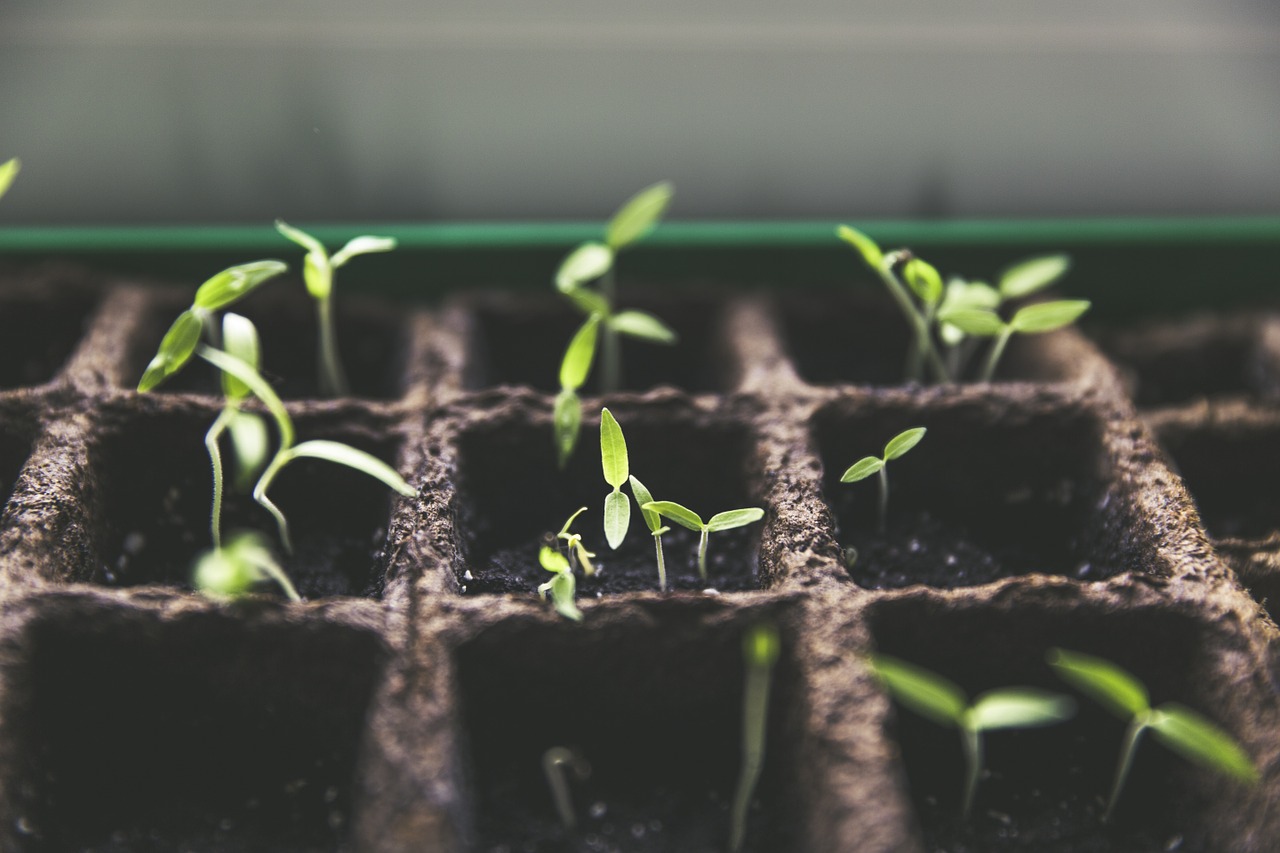
Whether you spend your days nurturing perennials in your garden or caring for your kids, don’t they have different needs during different phases of development? Focusing on the process of change and growth allows for tweaks along the way.
Now that I’ve been forced into another work from home period, I’m shifting my workouts to the late afternoon as I wrap up my workday. This shift allows me to maintain my morning routine, albeit in a slightly adapted form, while reaping the benefits of intentional movement after sitting at my desk for eight hours. Experimenting with factors that help these habits thrive in changing contexts is part and parcel of continuing to nurture them.
3) You’re starting from a place of knowledge and possibly past failures
Let’s face it, in an ongoing global pandemic, does anyone have the energy to pick up something entirely new? By focusing on something that already exists in your life and seeking to nurture it, you can work with data you already have access to. What parts of this practice make you feel excited and motivated? How does it impact those around you for the better? What was going on during periods when you let your practice drop? Sometimes, all it takes to shift our actions is a little reflection about why we’re not already doing the thing we’d like to be doing.
Are you working to nurture an existing habit in 2022? Is so, I wish you creativity to play around with your process and find what works, self-compassion to circle back to something that may have been unsuccessful at first, and clarity to see the value in your commitment. Anything that’s worthwhile deserves more than a pass / fail approach. Scrap the resolutions and start nurturing what matters most.
 with abundance