
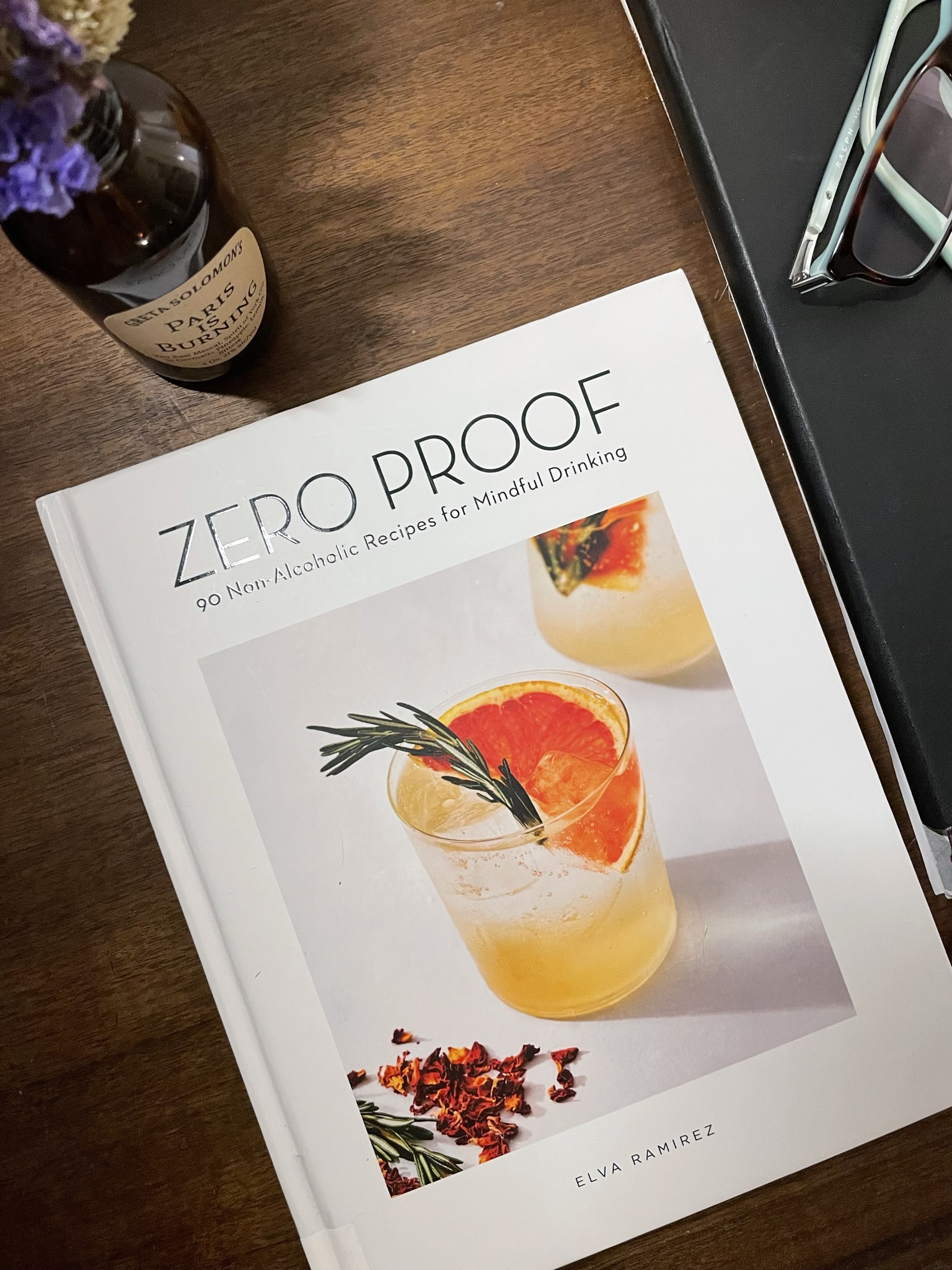
Food writer Elva Ramirez has brought her journalistic skill (she spent a decade at the Wall Street Journal before going freelance) to the task of documenting the maturation of the zero-proof cocktail movement around the world. Far from a simple pastiche of recipes from lauded bars and restaurants, Ramirez devotes more than 50 pages to chronicling America’s relationship to booze, setting the stage for a nuanced origin story of today’s alcohol free fare.
It’s a riveting history lesson beginning with the earliest days of European colonization. In 1634, after local water sources in Jamestown, Virginia, proved responsible for the deaths of two-thirds of the settlers, the British Crown required that all New England colonies have a tavern. “Before there were courthouses and city halls, the tavern was the center of colonial life,” writes Ramirez. So ingrained was alcohol (and its abuses) into daily life that a movement toward temperance sprung up by the early 1700s.
The yo-yo of alcohol restricting legislation and workarounds by thirsty Americans made for the most entertaining part of this history. In 1896, legislation drafted by Sen. John Raines (eventually becoming known as the Raines Law) took effect, banning operation of bars on Sunday, increasing venue license fees, banning all-night licenses and restricting the proximity of saloons to schools and churches. Soon enough, creative establishments sought to exploit the fact that hotels—defined as establishments with 10 rooms or more—could serve liquor on Sundays with food. An allowance that lead to the concept of a “Raines Sandwhich,” a well-worn sandwich about as edible as a placemat that would make its way from table to table throughout the night.
This made me giggle. In early lockdown-era Toronto, bars and restaurants were able to sell take-out alcohol, but only alongside a food item. Many found creatives ways to satisfy this requirement, perhaps none more so than a Kensington Market spot that asked its customers “Do you want a bag of chips or something, or do you want the potato?”—the potato being a literal raw potato that would be handed to you and promptly left on the table.
It’s evident that Ramirez avoids the term “mocktail” shy of a very specific chapter in this story. The term “temperance cocktail” fell our of vogue post-prohibition, eventually yielding to “mocktail” first appearing in the press in 1941 and continuing on through mid-century socialite gatherings to the extravagant concoctions and competitions of the 1980s.
Fast forward a few decades and Ramirez ties the “rise of the new moderation” to the growth of Dry January throughout the early 2000s. Participation in alcohol free pledges only continues to grow, and a new era of business opportunity within the mindful drinking movement is the backdrop against the recipes in Zero Proof.
Ramirez is very clear that this history, and the development of modern zero proof cocktails, offering sophistication of flavour to rival their alcoholic counterparts, is ongoing. I remember the initial reports of Seedlip, the upscale and herbaceous non-alcoholic spirit, arriving in Canada back in 2017. For the first time, I saw it on the shelf of a big box grocery store last week.
As a work of food journalism, Zero Proof is a triumph. Putting the spotlight on innovative non-alcoholic cocktails from international bartenders, taking readers from Momofuku Noodle Bar in New York to Little Red Door in Paris and beyond, perfectly illustrates what’s exciting about this era of zero proof drinking. However, it’s this same approach that left me unsatisfied when trying to use it as a cookbook.
The relative nascency of the zero proof movement left me unprepared for the complexity of the recipes, many requiring a juicer and the assembly of syrups beforehand. Ramirez makes a valiant attempt to provide a preliminary guide to best practices when creating intriguing non alcoholic drinks for any occasion, and provides thoughtful guidance on using leftover syrups, juices and teas. However, I ultimately felt out of my depth as a reader with a growing appreciation for non alcoholic drinks, but lacking in the knowledge, fridge stock or equipment of a committed mixologist.
That said, I tried my hand at three drinks that felt within my capacity (even though I cheated by swapping in some store bought elements).
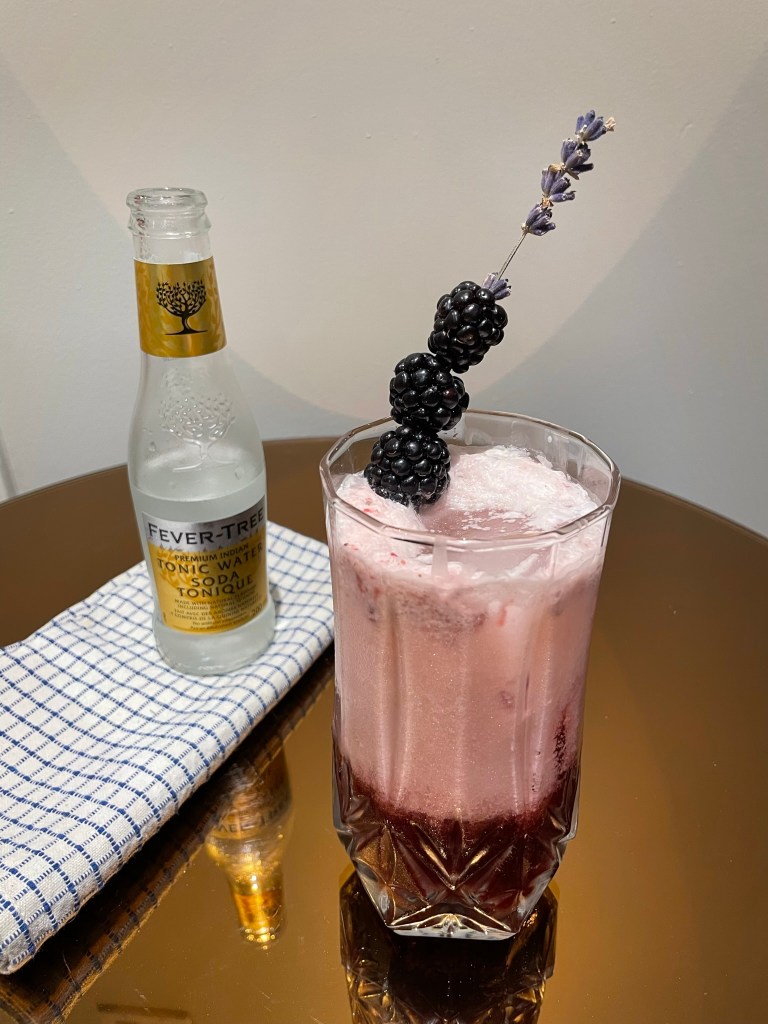
Blackberry-Lavender French Soda
I was immediately hit by the familiar, always delicious pairing of lavender and blackberry, and then subtly surprised by the texture of cream amidst the effervescence. Slightly floral, rich and refreshing.
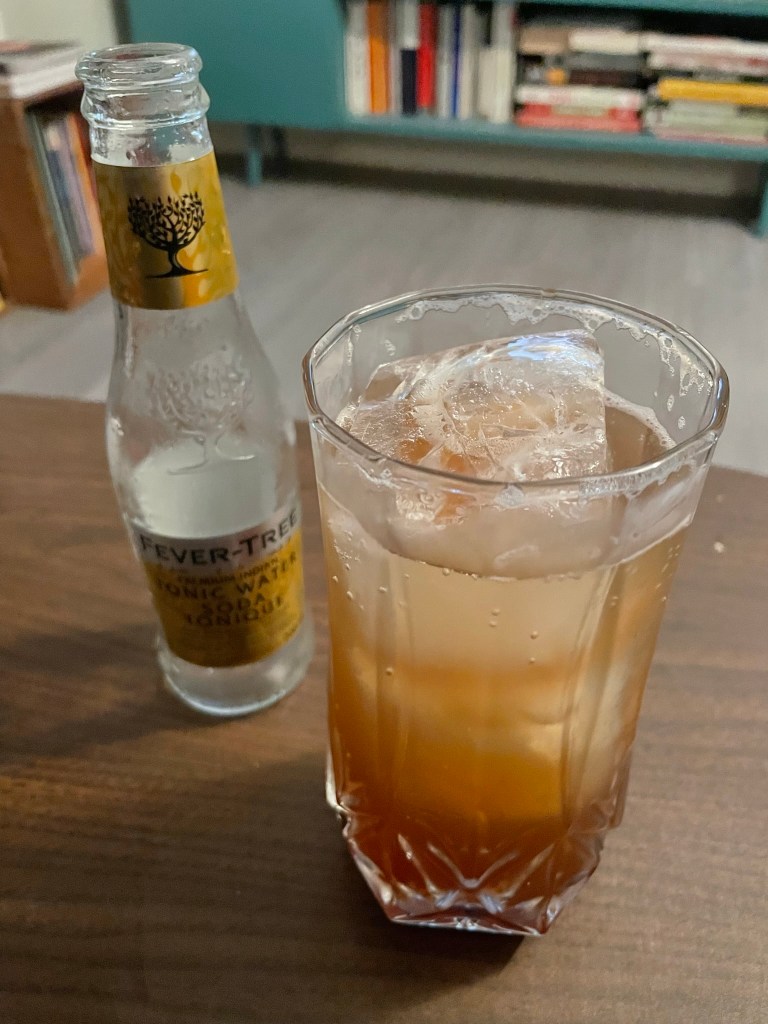
Passeggiata
Ramirez notes that ‘passeggiata’ refers to the “Italian art of the leisurely evening stroll.” Appropriate for a drink that’s eminently complex, oh-so-slightly bitter yet incredibly smooth and delightfully drinkable.
I was interested in this cocktail primarily as a carrier for my recently purchased Kickass89 by Toronto’s own Chef Luke Hayes based on a family recipe that goes back generations. Don’t even get me started on this non-alcoholic amaro’s velvety texture and refreshing flavour with clear hints of sarsaparilla and lemongrass. It’s Hayes’ culinary genius literally bottled and I highly recommend it. But back to the Passeggiata cocktail – I recommend it too.
Medina Night
I wanted to love this blend of carrot, lemon and orange juices, and ginger and honey syrups, but after spending a fair amount of time prepping the syrups—delicious in their own right—I found the carrot too overpowering. I take a good deal of the responsibility for this as I tried using store-bought carrot juice that was quite concentrated. Ramirez is clear in the need for fresh-pressed juice for recipes throughout the book, but my lack of kitchen storage space for yet another appliance will keep full appreciation of these juice-forward recipes perpetually out of grasp.
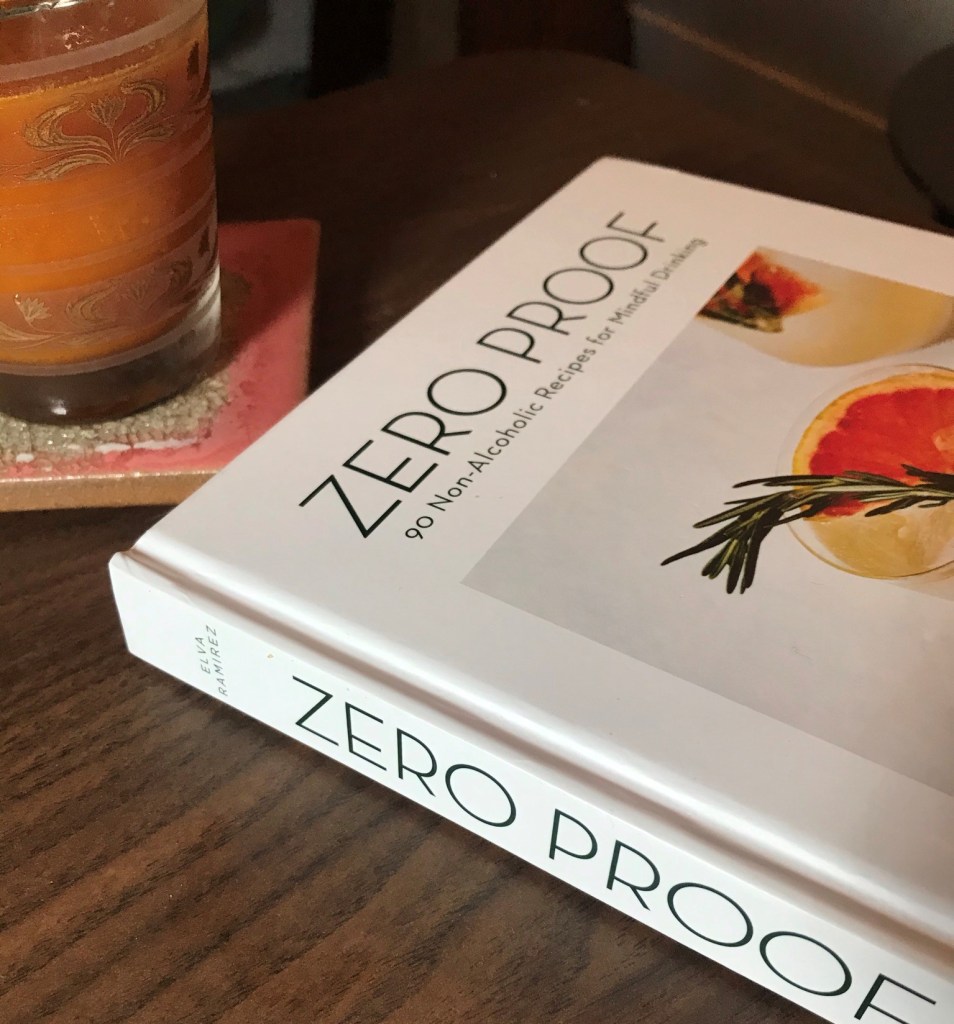
Bottom line: if you’re excited about new options for sophisticated and adventurous drinks that don’t revolve around alcohol and want to learn more about the zero proof movement, there’s plenty in this book to love. You’ll just want to prepare for a significant degree of planning, ingredient sourcing and prep time before you start shaking your way through the bulk of its recipes.
 with abundance
2 thoughts on “Zero Proof: 90 Non-Alcoholic Recipes for Mindful Drinking [Review]”